
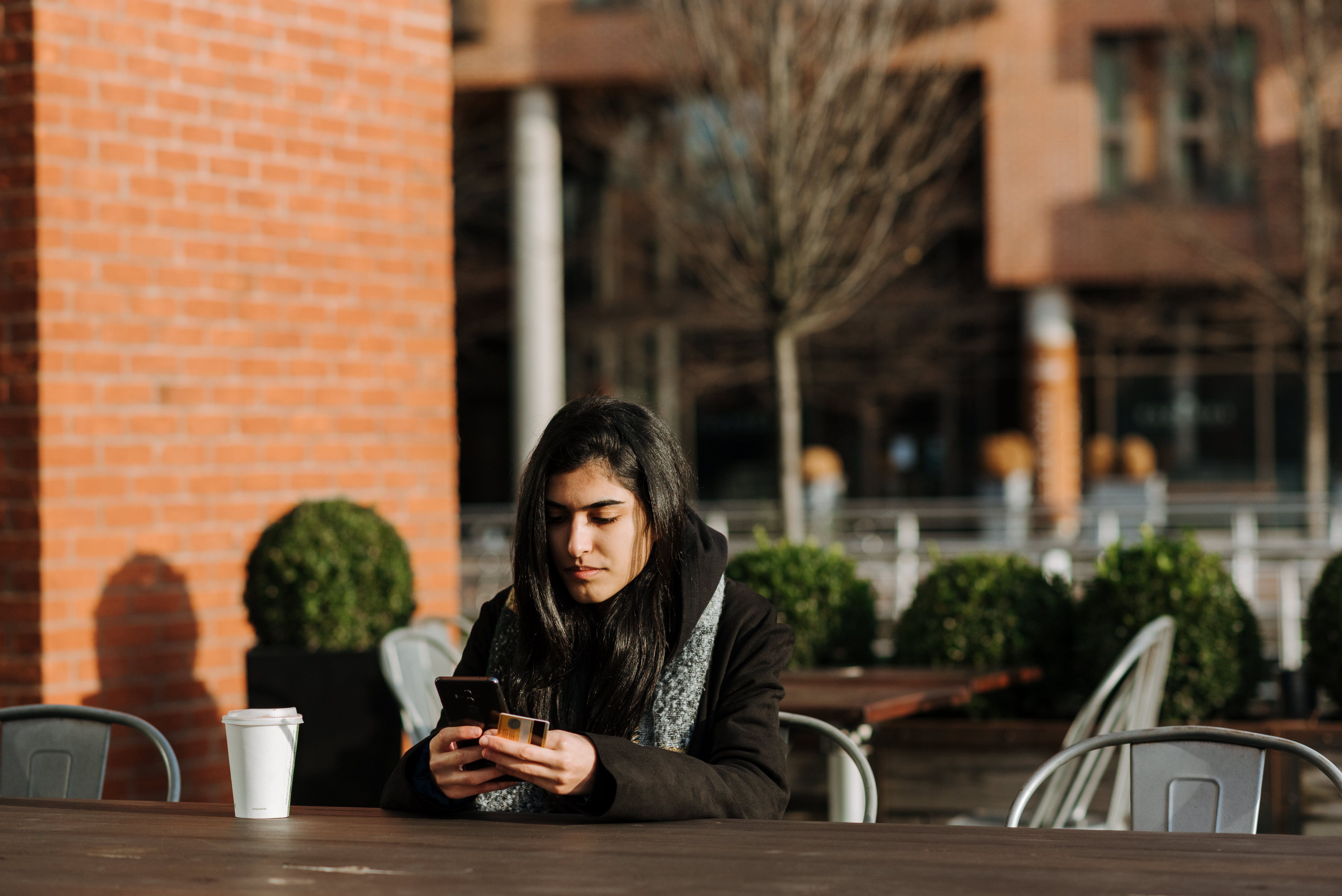
Ask anyone under forty about dating and you will get some version of the same answer: it is exhausting, everyone is on the apps, and nobody seems to actually meet.
The numbers back the exhaustion. Around 79% of Gen Z report burnout from dating apps, with more than half saying they feel it often or always, according to a 2025 Forbes Health and OnePoll survey. Roughly half of Gen Z singles deleted every app they had. Tinder's paying subscribers have fallen from a 2022 peak of about 11.1 million to under 9 million.
The usual reading of this is that dating apps ruined dating. It is a satisfying story and I think it is slightly wrong.
The apps solved the wrong bottleneck, brilliantly
Before the apps, the hard part was supply. You met people through work, friends, university, or a bar, and if none of those produced anyone, you were largely out of options. The constraint was introductions.
The apps demolished that constraint. Pew Research finds that 30% of US adults have used a dating site or app, rising to 53% of adults under 30. For a reasonably active user, the number of people you could theoretically meet in a month went from about two to effectively unbounded.
And then the complaints started, which is the interesting part. If the problem had really been supply, solving supply should have fixed it.
The apps did not fail at what they were built for. They succeeded completely, and revealed that introductions were never the difficult part.
What is actually hard
Watch where people get stuck and it is remarkably consistent.
They match. They message for a few days. The conversation is fine — pleasant, low-stakes, easy to be witty in because you can edit. Then somebody has to suggest meeting, and a large share of conversations simply die there, unremarked.
Hinge's 2025 Gen Z report found that 56% of Gen Z say fear of rejection holds them back from pursuing relationships, a higher rate than millennials. Among heterosexual Gen Z daters, 49% of women said they hesitate to start serious conversations, against 17% of men.
That is not a supply problem. That is a conversation problem.
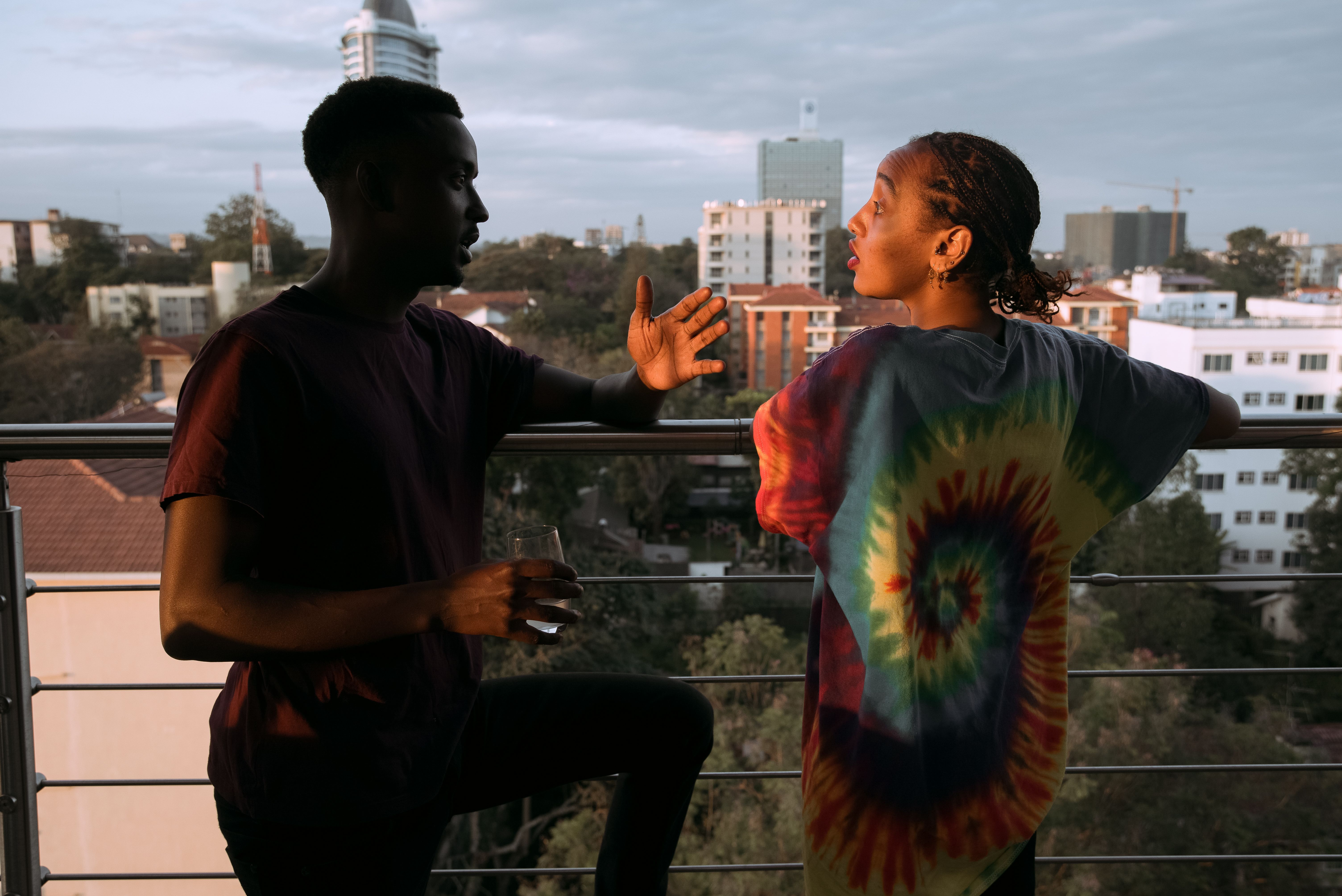
And the meeting itself is where the real cost sits. An average date now runs around $205 and an entire evening, plus the getting-ready, plus the debrief with a friend afterwards. A bad one is expensive in a way that swiping is not — which is precisely why people stay in the messaging phase, where nothing costs anything and nothing happens.
Why we are worse at this than we used to be
Here is the part that rarely gets said, because it sounds like blaming individuals for a structural problem. It is not that. It is a structural problem that happens to show up as a personal one.
Talking to strangers is a skill, and skills decay without use.
A generation ago, an average week contained a lot of unavoidable low-stakes conversation with people you did not know. The commute. The office. The pub you went to because your friends were there. The shop where somebody served you. Not enjoyable, necessarily — but constant, and it kept you in practice.
Much of that is gone. Remote work removed the office and the commute. Self checkout removed the shop. Third places have been closing for two decades. Delivery removed the restaurant. A remote worker in 2026 can genuinely go three days without speaking a full paragraph out loud to anyone.
Then you take that person, and you sit them across a table from a stranger they are attracted to, with $205 and an evening on the line, and ask them to be charming for two hours starting immediately.
Of course it feels daunting. It would be strange if it did not.
The advice problem
Almost all dating advice addresses the wrong stage.
Profile optimisation. Photo selection. Opener templates. Which app to use. All of it operates before the meeting, because that part is legible and fixable and generates content. Approximately none of it helps with the twenty minutes after you sit down, which is where the outcome is actually decided.
The advice that does exist for the meeting is unusable. Be yourself. Be confident. Ask good questions. True, and not actionable, in the way that "score more goals" is true and not actionable.
What helps
A short list, all of it unglamorous.
Meet sooner. Long messaging phases feel like progress and are mostly avoidance. The information you get from twenty minutes in person exceeds two weeks of texting.
Make the first one cheap. Coffee, a walk, one drink. Sixty to ninety minutes. Reducing the cost of a bad date is the single highest-leverage change available, and it removes most of the dread.
Get your conversation back before it counts. If your week is mostly typed, your first date is the most talking you have done in days. Arriving cold is a choice, and it is avoidable.
Follow the thread. Almost nobody runs out of topics. What they do is treat conversation as a list and change subject after one exchange, which empties the list in fifteen minutes. Asking a second question about the same thing is most of the skill.

Where practice comes in
The awkward part is that the only way to get better at the first twenty minutes is to have a lot of first twenty minutes — and each one currently costs you an evening, some money, and a small amount of hope.
This is what Vera is for. It is a phone call. You say what you want to practise — a first date with someone who gives short answers, the ask to meet up, the conversation where you have run out of things to say — and it plays that person while you get it wrong a few times.
Nobody is watching, nothing is at stake, and it is available at eleven at night when the dread is loudest.
The parts worth running before the next one are the opening twenty minutes, what to do when it goes quiet, and, if you have been out of it for a while, getting your conversation back at all.
None of that makes dating easy. It moves the hard part somewhere it does not cost you an evening, which is a smaller claim and a more honest one.